
Clinical Guide to BPPV diagnosis and Treatment
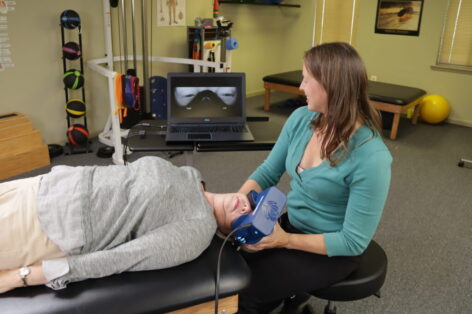
Quick Master BPPV Reference Chart
This chart summarizes common BPPV diagnoses and related treatment options. Note that nystagmus direction is described in relation to the patient’s perspective. For example, if the patient’s eyes beat horizontally with the fast beat to patient’s right, this is named as a right-beating nystagmus.
If nystagmus and/or symptoms do not improve or ideally resolve after 1–2 well-applied maneuvers, strongly consider switching to a different maneuver type. If the positional nystagmus and/or symptoms persist after 3-5 well-applied different maneuvers, reconsider your BPPV diagnosis and examine alternative diagnoses such as central vestibular pathology (e.g. vestibular migraine).
| BPPV Type | Classic Nystagmus Pattern | Positional Tests | How to Identify The Affected Side | Evidence-Supported First-Line Maneuver | Other Possible Maneuvers |
Posterior canalithiasis (long arm variant) |
Upbeating-torsional nystagmus towards affected side, lasting <1 minute during testing (An example of upbeating with right torsion) |
Dix-Hallpike 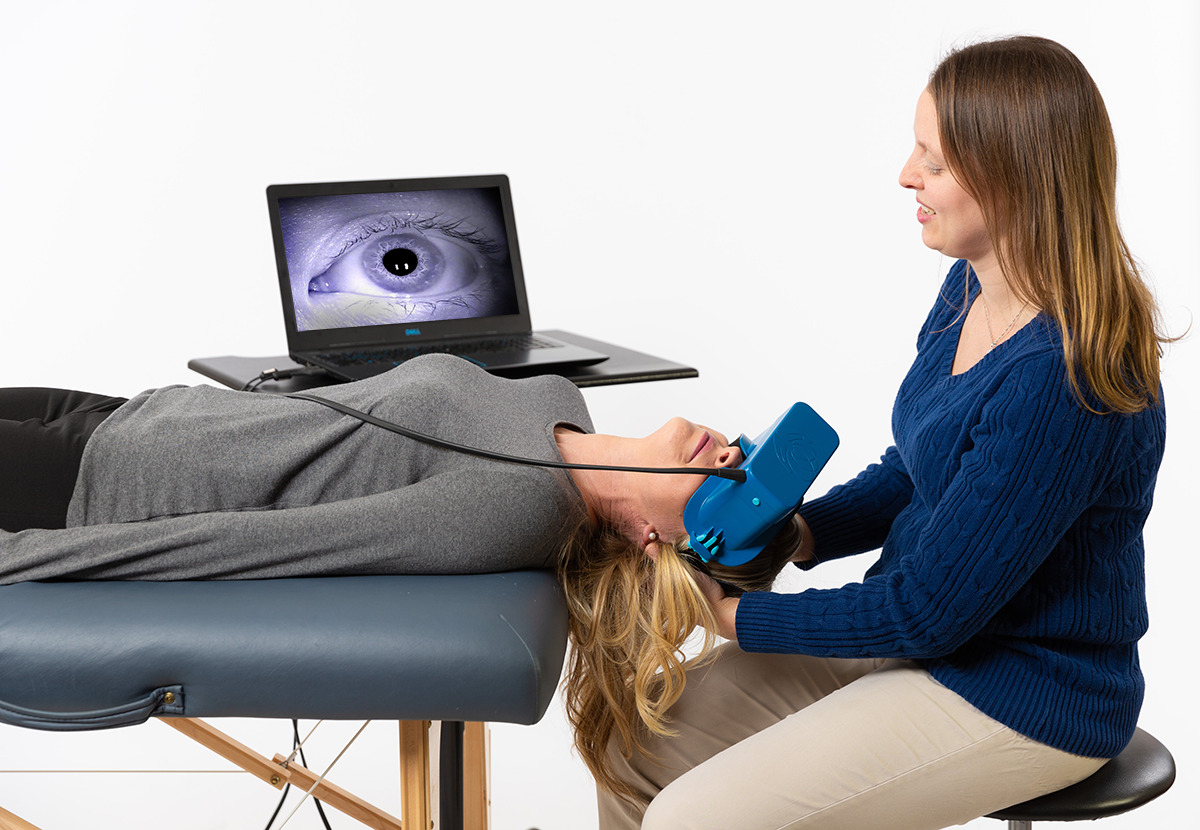 or Sidelying test |
|
Modified Epley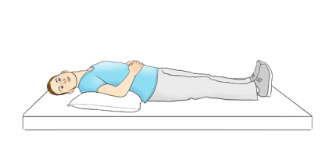 |
|
Posterior cupulolithiasis |
Upbeating-torsional nystagmus towards affected side, lasting >1 minute during testing (An example of upbeating right torsion) |
Dix-Hallpike or Sidelying test 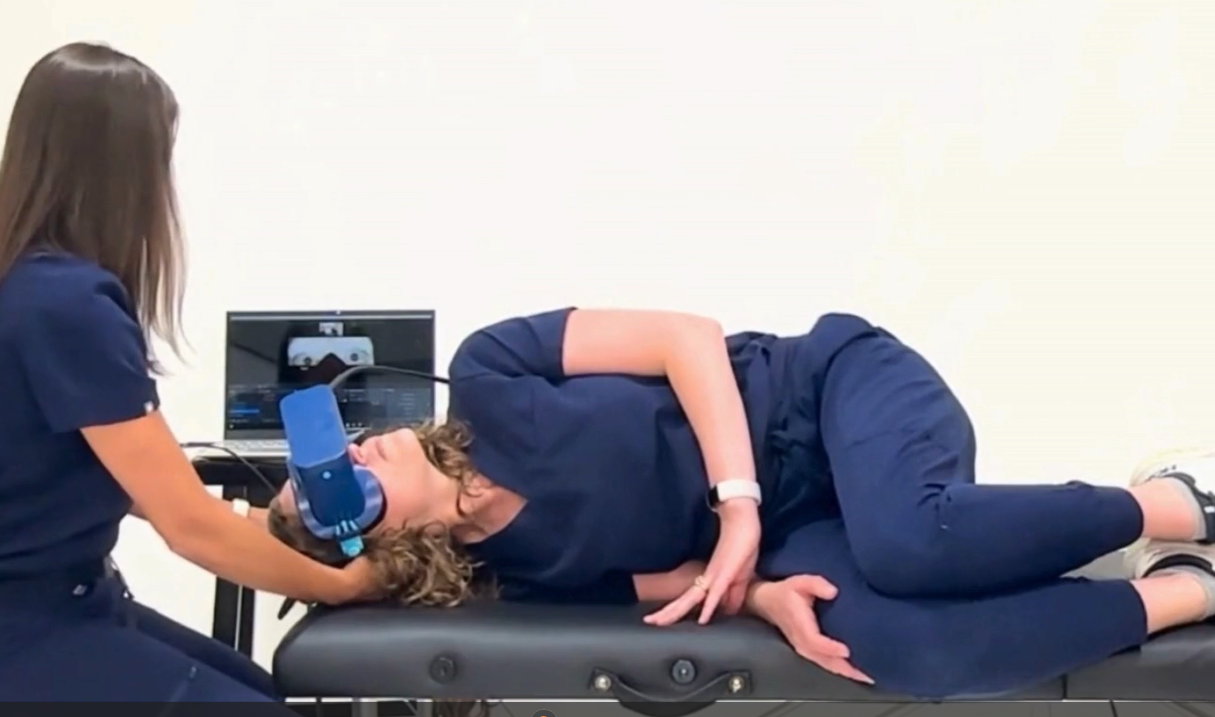 |
|
Semont/ SemontPLUS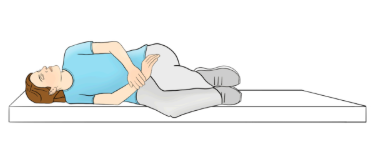 |
|
Horizontal canalithiasis |
Geotropic (towards the ground) horizontal nystagmus |
Supine Roll Test |
|
Gufoni for canalithiasis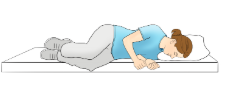 |
|
Horizontal cupulolithiasis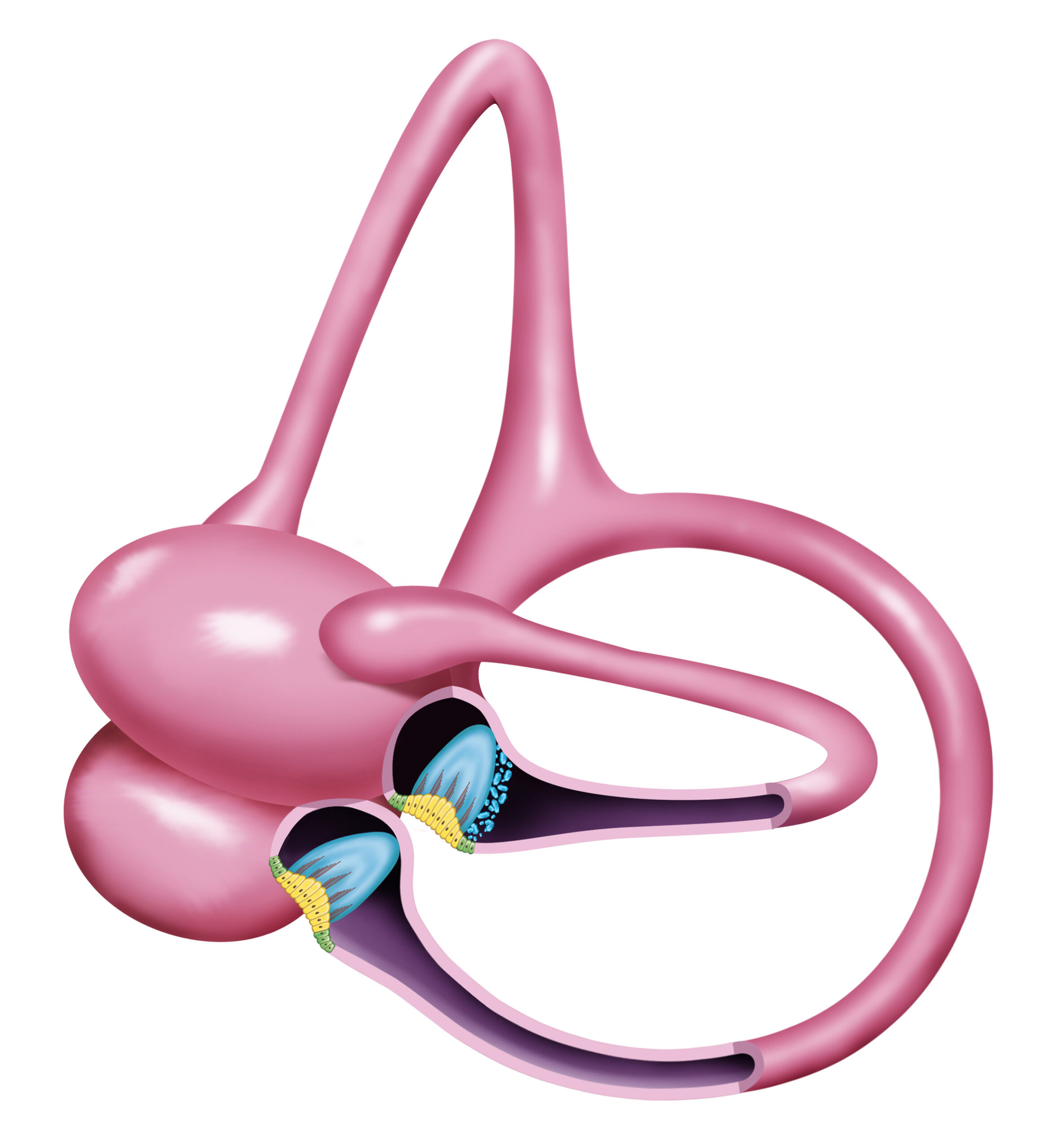 |
Apogeotropic/ ageotropic (away from ground) horizontal nystagmus |
Supine Roll Test |
|
||
Anterior canalithiasis |
<1 min downbeating positional nystagmus, may have torsion towards affected side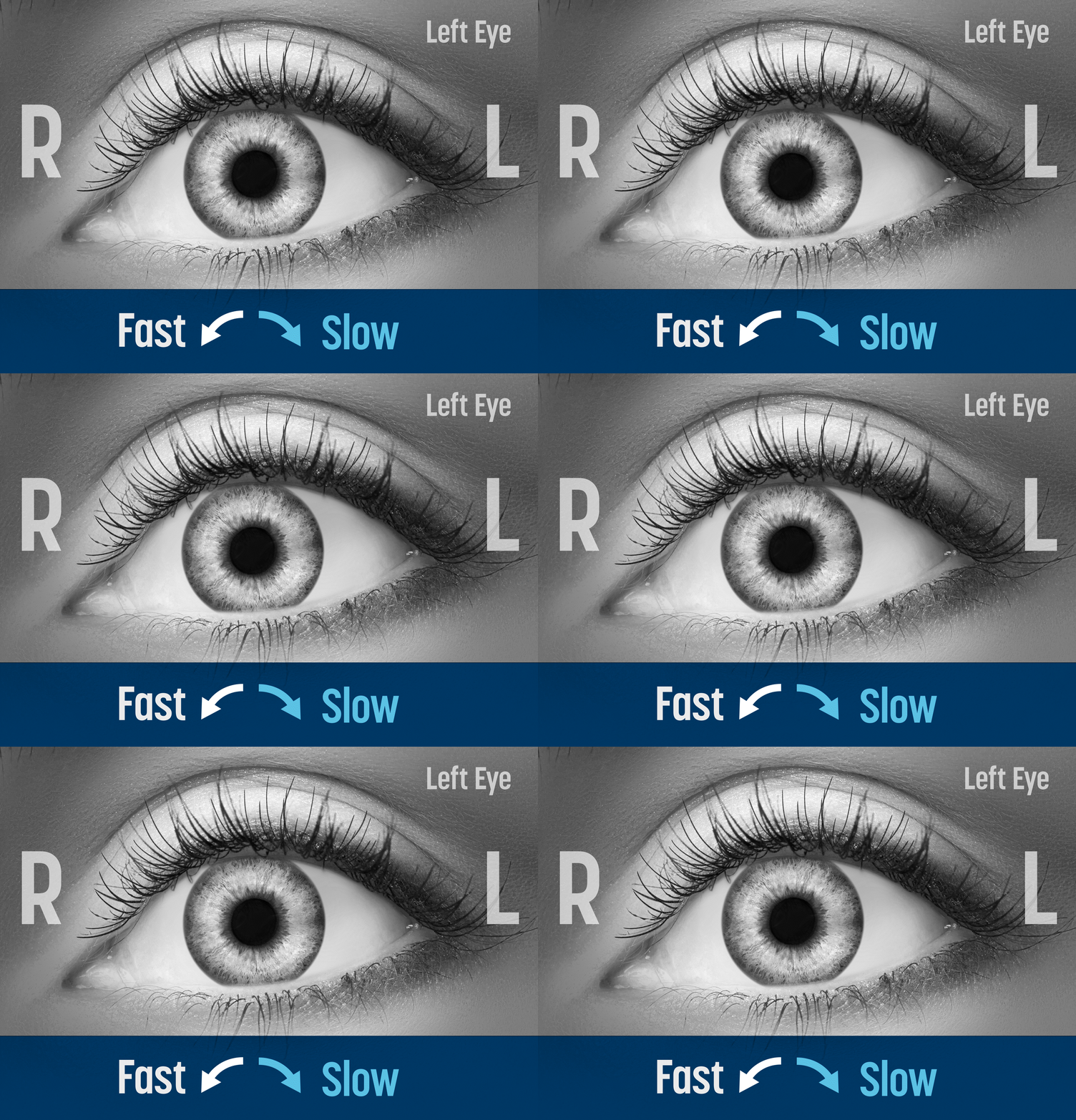 (An example of downbeating right torsion) |
Dix-Hallpike or Straight Head Hanging Test  |
|
 |
|
Short-arm posterior canalithiasis 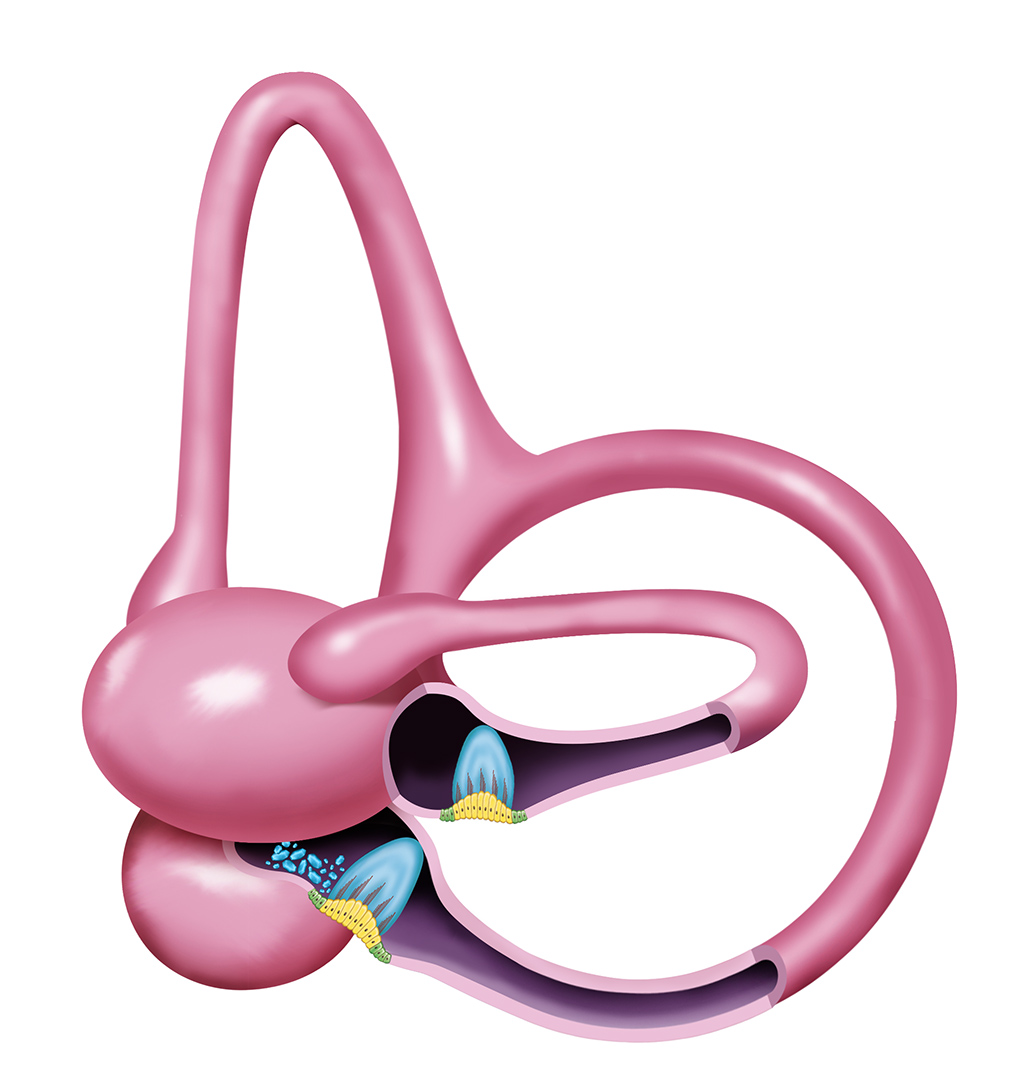 |
No classic findings, may include any of the following:
|
Dix-Hallpike or Straight Head Hanging Test |
|
|


Why Use Infrared Video Goggles?
Accurate BPPV assessment depends on the ability to clearly observe nystagmus. Research shows that abnormal eye movements are often missed with room-light observation or traditional thickened Frenzel lenses alone. Infrared video goggles remove visual fixation, improve visualization of subtle or atypical nystagmus, and help clinicians more confidently identify the involved canal, select the appropriate maneuver, and recognize when findings suggest a more complex presentation.
Ready to elevate your vestibular practice?
Get the quality, affordable infrared video goggles (video Frenzels) you deserve — visit v1st.co/store to purchase today.
Want to learn more first? Schedule a demo (on-demand or live remote), and see what you’ve been missing!
Unsure what you are seeing?
Build confidence with real nystagmus videos, clinical case studies, and practical vestibular training designed for clinicians. Learn through online courses, in-person courses, or our hybrid vestibular certification course to improve your BPPV testing, interpretation, and treatment decisions. Visit our courses page to learn more.