
PITFALLS IN VESTIBULAR MIGRAINE CARE
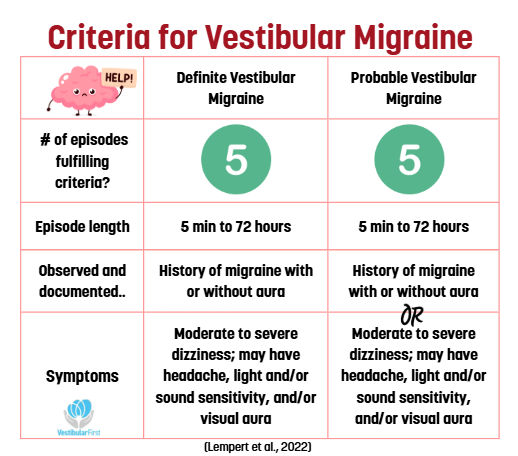
Vestibular Migraine (VM) is a genetically influenced complex neurological disorder characterized by 5 minutes to 72 hours of dizziness, vertigo, or imbalance with or without headache, frequently accompanied by nausea, an increased sensitivity to light and/or sound, and/or visual aura.
One of the BEST outcome measures when tracking the impact of interventions on vestibular migraine is VM-PATHI.
Developed by Dr. Jeffrey Sharon and his team at UCSF, VM-PATHI is a MUST to assess on day 1 of patient care, and it can be used to track progress on symptoms that are specifically common with vestibular migraine. It can also cue you into possible referral needs (more on that later)!
Below are our Top 5 common pitfalls that clinicians and patients encounter when trying to establish a clear diagnosis and treatment plan for vestibular migraine.
1. #1 Mistake: Thinking that Headache is Necessary for a VM Diagnosis
Clinicians should apply the co-developed Bárány Society and International Headache Society criteria to support the diagnosis.
An essential part of the diagnostic process includes ruling out other diagnoses. VM requires that the symptoms are NOT better accounted for by another vestibular or International Classification of Headache Disorders diagnosis.
However, it should be noted that vestibular migraine can co-exist with other issues such as Benign Paroxysmal Positional Vertigo (BPPV), which can make a true diagnosis take time and observation to determine.
2. Key: Vestibular Migraine is a Risk Factor for BPPV Occurrence and Recurrence
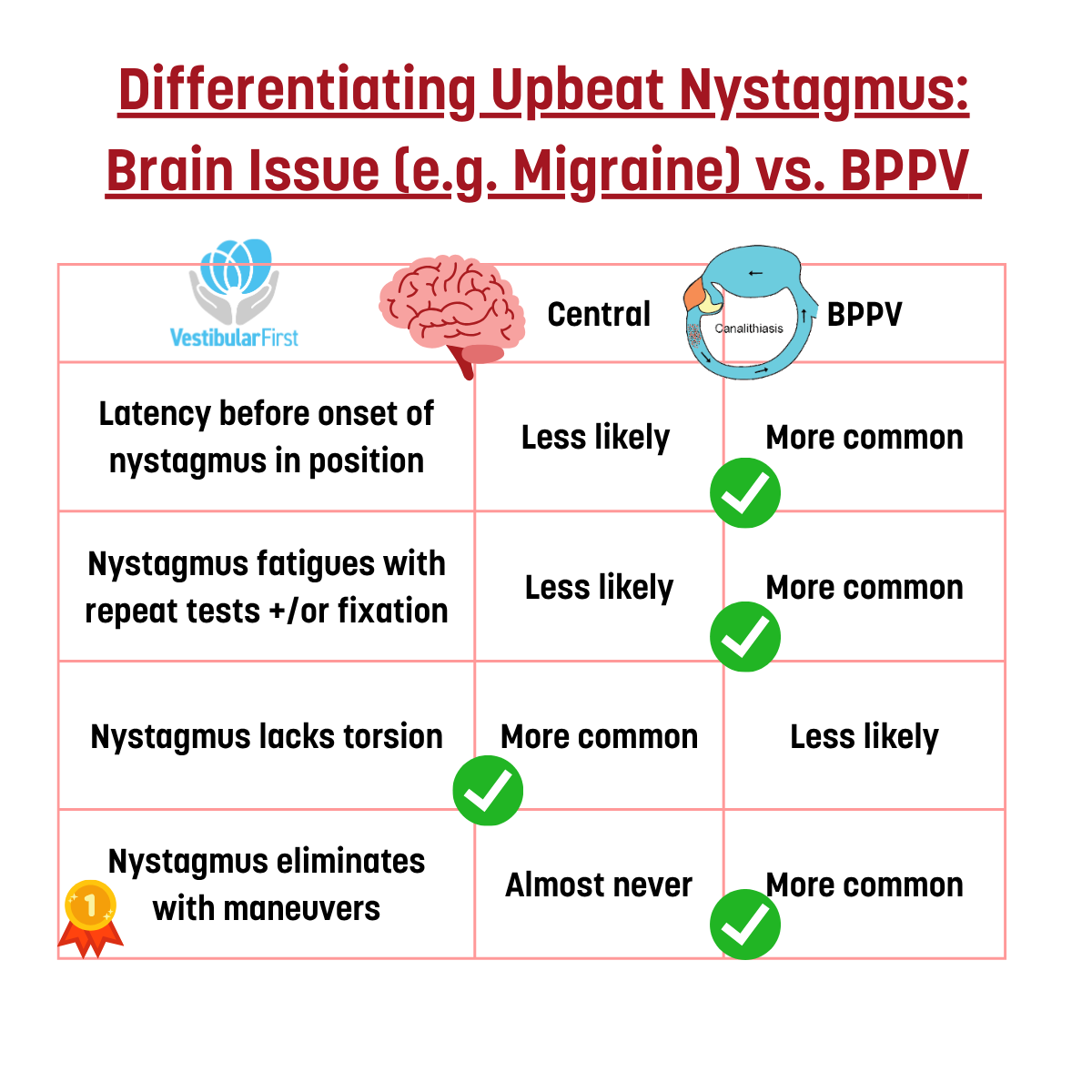
Patients with vestibular migraine should be screened for BPPV regularly. If nystagmus and symptoms are identified that are consistent with BPPV, whether typical or atypical BPPV, appropriate maneuvers should be applied. After at least 10-15 minutes rest, confirm clearance of BPPV with appropriate reassessment of Dix-Hallpike or other relevant positional tests.
However, it is also important to note that vestibular migraine is a known mimicker of BPPV. 90% of patients experiencing a vestibular migraine attack will demonstrate nystagmus in positional testing, while 36% of patients with a vestibular migraine history will have nystagmus during positional testing between vestibular migraine attacks (Male et al, 2025).
Differentiating nystagmus due to BPPV as compared to nystagmus caused by central issues such as vestibular migraine requires careful attention to nystagmus patterns. Removing visual fixation with infrared video goggles can improve visualization of nystagmus and may help clinicians better distinguish peripheral from central findings.
3. Do Not Start Intense Vestibular Rehab before VM Fundamental Care
If vestibular rehabilitation, particularly faster head movements, is initiated too soon, it may flare a vestibular migraine condition.
Instead, our first role as vestibular specialists is to EDUCATE on the following:
1. Stress management and grounding techniques, with an emphasis on calming the sensory-sensitive nervous system in someone with VM;
2. Lifestyle basics including SEEDS (get your free patient handout here!);
3. Referral for medical management to a neurologist or other physician who is comfortable managing medication and neuromodulation options for vestibular migraine care.
Referral for medical management does not usually mean discontinuing a vestibular rehab specialist involvement, since both care providers should work collaboratively to provide best practice guidance and support to those with VM.

4. Don’t Insist on Use of Gaze Stabilization (X1 Viewing) Exercises for VM
Patients with VM often have normal signs of peripheral vestibular function, although some will have mixed central and peripheral findings on full VNG vestibular function testing (Waissbluth et al., 2023).
Even if the peripheral system is showing some signs of unilateral vestibulopathy, the priority for treatment in patients with VM should be gently increasing activity tolerance, posture and neck care, and improving sensory integration in the brain.
Introduction of any sensory challenge (such as visual patterns or lights, busy visual environments, or faster head or body movements) should be done very gradually ONLY on days free of vestibular migraine attack.
5. Please Explore the Possibility of PPPD as a Co-diagnosis along with VM
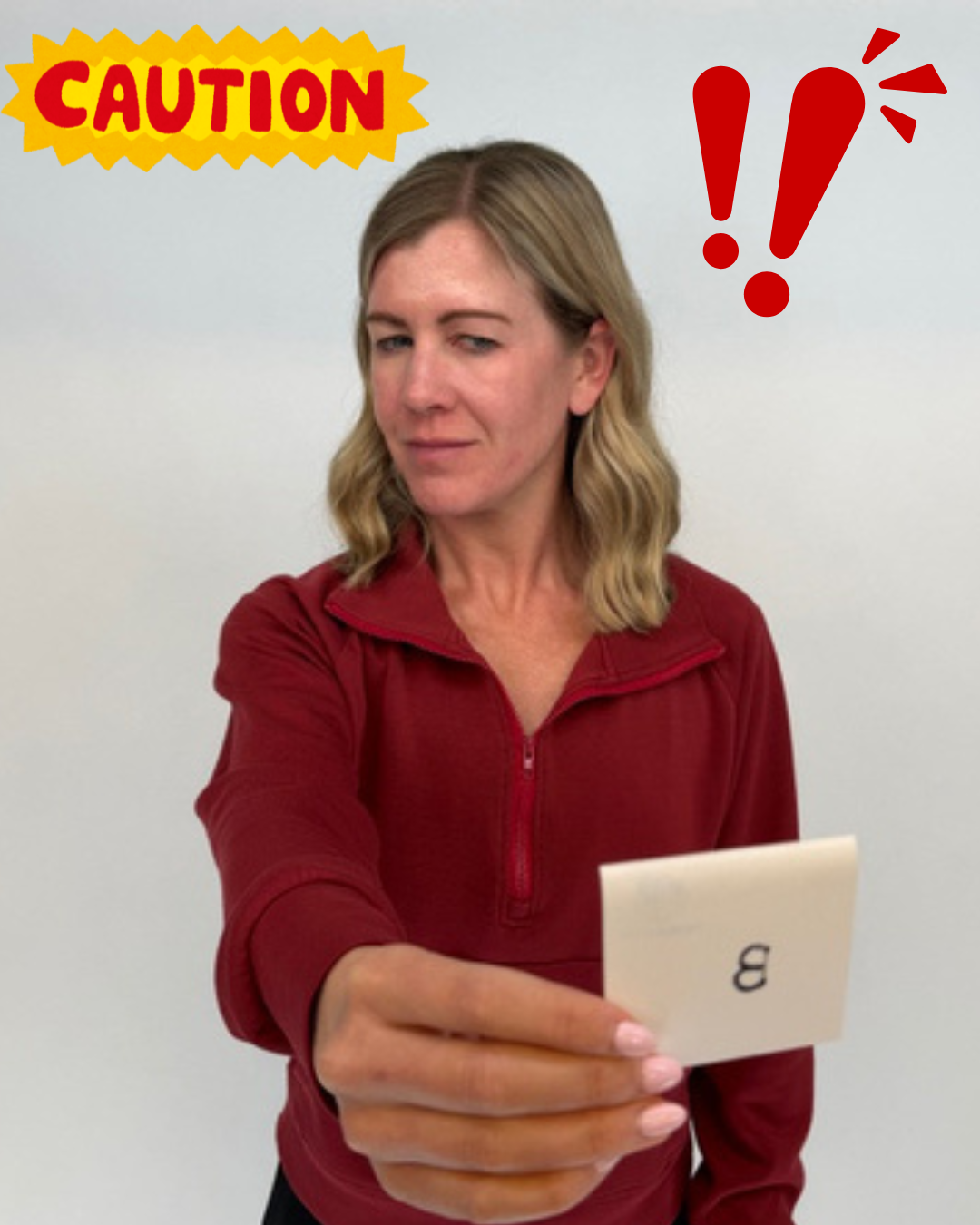
Vestibular migraine typically causes episodic vertigo or dizziness. If symptoms become persistent or daily, clinicians should consider persistent postural-perceptual dizziness (PPPD) or another vestibular disorder rather than assuming this is an intractable vestibular migraine attack.
PPPD can follow conditions such as vestibular migraine, BPPV, or unilateral vestibulopathy, and treatment often involves a multimodal approach, which may include vestibular rehabilitation, SSRIs/SNRIs, and sometimes CBT when clinically appropriate (Casani et al., 2023; Yagi et al., 2024).
When to Refer for Medical Management in Vestibular Migraine
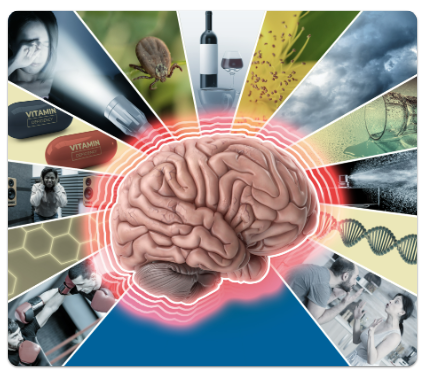
Sometimes lifestyle management vastly reduces the frequency and intensity of vestibular migraine, but at other times, medical intervention is necessary. But to whom should we refer, and when?
The goals of referral are:
(1) Rule out competing diagnoses as completely as possible;
(2) Provide a comprehensive plan of care for the individual’s needs.
As a vestibular physical therapist, here’s where I refer first:
#1: Physician comfortable managing vestibular migraine (easier said than done)!
-
Neurologist or vestibular specialist (such as certain ENTs or neuro-otologists) accustomed to prescribing medication and/or neuromodulation for vestibular migraine
-
How to find them: Migraine in Otolaryngology Society has provider search options under the “For Patients” section AND healthcare providers of any relevant discipline, including physical therapy, are welcome to join!
#2: Psych support
-
Psychiatrists (and sometimes primary care or neurologists) – for medication for anxiety or depression that may be primary or secondary condition affecting patient’s symptoms
-
Talk therapy – may be provided by LCSW (licensed clinical social worker), LPC (licensed professional counselor), or PhD/PsyD (licensed psychologist), to name a few. Look for someone who specializes in cognitive behavioral therapy (CBT) and/or acceptance commitment therapy (ACT) – more on this below!

Referral Options and Resources for VM
1. Dizzy Care Network: For a FREE screening questionnaire toward diagnosis of vestibular migraine and matching to trained vestibular clinicians.
2. To find a neurologist who can manage the headache (if that is a feature of vestibular migraine for a given individual):
3. To find an ENT/audiology team or neuro-otologist who can perform vestibular and/or hearing tests to rule in/out other competing diagnoses:
-
American Academy of Otolaryngology–Head and Neck Surgery “Find an ENT” directory
-
The American Speech-Language-Hearing Association: Find a Professional
4. Psych support for medication (psychiatric care) and/or talk therapy (CBT or ACT) from a licensed professional
- American Psychiatric Association – find a psychiatric care provider
- Headway – find a psychiatric care provider
- The Vestibular Psychologist – Licensed psychologist who SPECIALIZES in vestibular talk therapy and group fit coaching (also offers telehealth in multiple U.S. states)
- American Psychological Association – find a talk therapy provider
- Psychology Today – find a talk therapy provider
5. Vestibular migraine resources and long-term support
- Vestibular coaching – cash-based, can be group or individual, and usually focused on lifestyle and problem-solving approach to symptoms
-
@vestibulargroupfit by @thevertigodoctor (vestibular PT led)
-
@thedizzydr (vestibular PT led)
-
-
Neck care and Exercise for those with vestibular migraine
-
@NecksLevel for the best neck strengthening tool on the market
-
Mindfulness recourses
Vestibular Migraine Con Ed Courses
-
Vestibular First: Vestibular Migraine vs. Ménière’s Disease
-
Beneficial for any vestibular clinician
-
-
Symmetry Alliance: Vestibular Migraine Management
-
Beneficial for any vestibular clinician
-
Intro/intermediate level course
-
-
MedBridge: Case-Based Treatment for Central Vestibular Issues (includes a vestibular migraine case)
-
North 49 Physical Therapy: Migraines and Vestibular Migraines
-
Beneficial for any vestibular clinician
-
Treatment-focused
-
Watch Related Journal Clubs
References
- Casani AP, Ducci N, Lazzerini F, Vernassa N, Bruschini L. Preceding Benign Paroxysmal Positional Vertigo as a Trigger for Persistent Postural-Perceptual Dizziness: Which Clinical Predictors? Audiol Res. 2023 Dec 1;13(6):942-951. doi: 10.3390/audiolres13060082. PMID: 38131807; PMCID: PMC10740490. https://pubmed.ncbi.nlm.nih.gov/38131807/
- Lempert T, Olesen J, Furman J, Waterston J, Seemungal B, Carey J, Bisdorff A, Versino M, Evers S, Kheradmand A, Newman-Toker D. Vestibular migraine: Diagnostic criteria1. J Vestib Res. 2022;32(1):1-6. doi: 10.3233/VES-201644. PMID: 34719447; PMCID: PMC9249276. https://pmc.ncbi.nlm.nih.gov/articles/PMC9249276/
- Male AJ, Korres G, Koohi N, Kaski D. Rethinking positional nystagmus: beyond BPPV. J Neurol. 2025 Sep 5;272(9):615. doi: 10.1007/s00415-025-13335-2. PMID: 40913194; PMCID: PMC12413408. https://pmc.ncbi.nlm.nih.gov/articles/PMC12413408/
- Waissbluth S, Sepúlveda V, Leung JS, Oyarzún J. Vestibular and Oculomotor Findings in Vestibular Migraine Patients. Audiol Res. 2023 Aug 8;13(4):615-626. doi: 10.3390/audiolres13040053. PMID: 37622929; PMCID: PMC10452030. https://pubmed.ncbi.nlm.nih.gov/37622929/
- Yagi C, Kimura A, Horii A. Persistent postural-perceptual dizziness: a functional neuro-otologic disorder. Auris Nasus Larynx. 2024;51(3):588-598. doi:10.1016/j.anl.2023.12.008. https://doi.org/10.1016/j.anl.2023.12.008