
Bilateral Vestibulopathy
What is Bilateral Vestibulopathy?
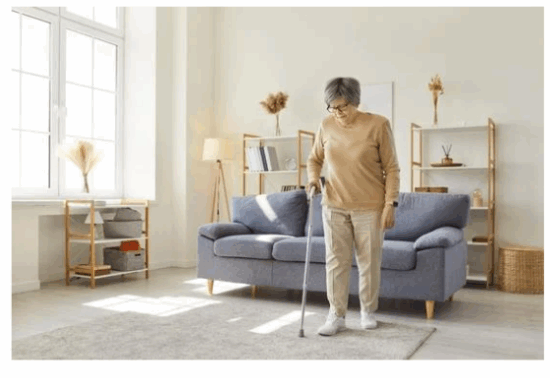
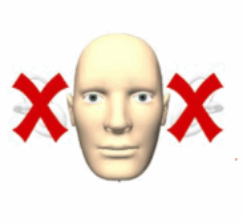
Bilateral vestibulopathy, also known as bilateral vestibular hypofunction, bilateral vestibular weakness, or bilateral vestibular loss, “is defined by bilaterally reduced or absent function of the vestibulo-ocular reflex (VOR), causing chronic unsteadiness when walking or standing, worsened in darkness or on uneven ground, often accompanied by oscillopsia during head or body motion, and without symptoms while sitting or lying still” (Strupp et al., 2017).
In other words, it means that the balance sensors in both inner ears aren’t working properly. Because of this, the brain doesn’t get accurate information about head movement or position.

History
The earliest descriptions of what is now recognized as bilateral vestibulopathy appeared in the 1940s and 1950s, when streptomycin-induced vestibular toxicity was observed by Hinchcliffe (1951) and Schuknecht (1952) in patients who developed oscillopsia and imbalance following aminoglycoside treatment (Hain et al., 2013; Hain et al., 2018). These reports established that damage to both labyrinths could cause severe bilateral loss of vestibular function. Over subsequent decades, researchers such as Baloh, Zee, and Della Santina advanced clinical testing methods—caloric irrigation, rotational chair, and later video head impulse testing—clarifying the physiologic basis of the disorder (Hain et al., 2018; Starkov et al., 2021). Recognition of the syndrome’s characteristic features led to formal diagnostic criteria published by the Bárány Society in 2017, unifying terminology under the term “bilateral vestibulopathy” (Strupp et al., 2017).

Dr. Harold Schuknecht
Etiology
- Aminoglycoside Ototoxicity (especially gentamicin) – The most common identified cause of BVL/BVH; aminoglycosides can produce profound, permanent vestibular loss. (Strupp et al., 2017; Hain et al., 2018; Lucieer et al., 2016; Chow et al., 2021). They are a class of antibiotics (including gentamicin, tobramycin, amikacin, streptomycin, and kanamycin) used to treat severe Gram-negative bacterial infections such as sepsis, endocarditis, and infections caused by Pseudomonas aeruginosa (type of bacteria that lives in water and soil).

- Bilateral or Sequential Unilateral Vestibulopathy – Viral or post-infectious inflammation affecting both vestibular nerves sequentially. Accounts for a smaller but clinically important proportion of BVL (Hain et al., 2018; Lucieer et al., 2016; Strupp et al., 2017).
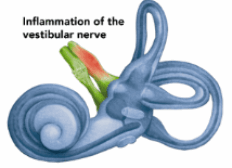
- Bilateral Ménière’s Disease – Progressive endolymphatic hydrops leading to bilateral vestibular hypofunction over time (Hain et al., 2018; Lucieer et al., 2016; Strupp et al., 2017).

- Idiopathic – Despite full evaluation, 30–50 % of cases remain without a clear cause in tertiary-center cohorts (Lucieer et al., 2016; Pröpper et al., 2022; Hain et al., 2018).

- Other Causes – Autoimmune inner-ear disease, meningitis or labyrinthitis, head trauma, bilateral vestibular schwannomas (neurofibromatosis type 2), surgical ablation, and hereditary syndromes such as DFNA9 (COCH)—a genetic disorder causing progressive hearing and balance loss—and CANVAS (Cerebellar Ataxia, Neuropathy, and Vestibular Areflexia Syndrome) are recognized but less prevalent causes of bilateral vestibular hypofunction (Lucieer et al., 2016; Strupp et al., 2017; Pröpper et al., 2022).

Prevalence
Bilateral vestibulopathy is uncommon in the general population, affecting roughly 28 per 100,000 adults in the United States (Ward et al., 2013). In tertiary dizziness centers, it accounts for about 1% of evaluated patients (Pröpper et al., 2022), while studies in older adults report higher rates, with up to 9% prevalence among individuals over 65 years referred for vestibular impairment (Piper et al., 2023).
The true prevalence is likely underestimated, as many cases go unrecognized without formal vestibular testing and symptoms are often attributed to aging or other causes (Ward et al., 2013; Strupp et al., 2017; van Stiphout et al., 2023).
Diagnostic Criteria for Bilateral Vestibulopathy – Bárány Society
- Unsteadiness when walking or standing plus at least one of 2 or 3:
- Movement-induced blurred vision or oscillopsia during walking or quick head/body movements and/or
- Worsening of unsteadiness in darkness and/or on uneven ground
B. No symptoms while sitting or lying down under static conditions
C. Bilaterally reduced or absent angular VOR function documented by:
-
Bilaterally pathological horizontal angular VOR gain <0.6, measured by the video-HIT or scleral-coil technique and/or
-
Reduced caloric response (sum of bithermal max. peak SPV on each side <6°/sec) and/or
-
Reduced horizontal angular VOR gain <0.1 upon sinusoidal stimulation on a rotatory chair (0.1 Hz, Vmax = 50°/sec) and a phase lead >68 degrees (time constant <5 sec)
D. Not better accounted for by another disease
Diagnostic Criteria for probable Bilateral Vestibulopathy – Bárány Society
-
Unsteadiness when walking or standing plus at least one of 2 or 3
-
Movement-induced blurred vision or oscillopsia during walking or quick head/body movements and/or
-
Worsening of unsteadiness in darkness and/or on uneven ground
B. No symptoms while sitting or lying down under static conditions
C. Bilaterally pathological horizontal bedside head impulse test
D. Not better accounted for by another disease

Patient Reported Symptoms
Patients with bilateral vestibular hypofunction commonly report chronic unsteadiness and blurred or unstable vision during head movements (oscillopsia), which worsen in the dark or on uneven ground (Strupp et al., 2017; Hain et al., 2013). They frequently describe difficulty walking, veering while turning, and fear of falling, rather than true spinning vertigo (Lucieer et al., 2016; van Stiphout et al., 2023). These symptoms substantially reduce mobility and quality of life (Ward et al., 2013; Genç et al., 2023).

Clinical Findings
Bedside Vestibular-Ocular Testing
-
Abnormal horizontal head impulse test bilaterally, with corrective catch-up saccades indicating loss of the vestibulo-ocular reflex (Strupp et al., 2017; Starkov et al., 2021).
-
Abnormal dynamic visual acuity, ≥ 2-line loss (often 4 – 6 lines) on Snellen or ETDRS chart during head motion, indicating functional VOR deficit (Herdman et al., 2015; Starkov et al., 2021).
-
No spontaneous nystagmus distinguishing it from acute unilateral vestibulopathy (Hain et al., 2013; Strupp et al., 2017).
-
Gaze stability loss during rapid head movements and difficulty maintaining fixation when the head is in motion (Starkov et al., 2021; van Stiphout et al., 2023).

Vestibular Function Testing
- Video Head Impulse Test (vHIT):
Primary bedside test showing bilaterally reduced horizontal VOR gain (< 0.6) with overt and/or covert catch-up saccades (Strupp et al., 2017; Starkov et al., 2021; van Stiphout et al., 2023). - Rotational Chair Test:
Gold standard for confirming diagnosis. Markedly reduced VOR gain across frequencies (< 0.1–0.2) with phase lead indicating bilateral canal loss (Hain et al., 2013; Strupp et al., 2017). - Caloric Testing:
Bilaterally reduced or absent responses (total SPV < 6°/s), indicating loss of low-frequency horizontal canal function (Lucieer et al., 2016; Strupp et al., 2017).
Balance and Gait Findings
- Balance Testing:
Patients exhibit instability or falls when visual and surface cues are reduced—such as with eyes closed, on foam, or during tandem stance and dynamic posturography (conditions 5–6)—indicating loss of vestibular input and compensatory reliance on vision and proprioception (Strupp et al., 2017; Hain et al., 2013; Lucieer et al., 2016; van Stiphout et al., 2023). -
Gait Observation:
Patients exhibit broad-based, cautious gait, difficulty walking in the dark, and unsteadiness when turning or looking around while walking (Strupp et al., 2017; Piper et al., 2023). -
Functional Balance Scales:
Dynamic Gait Index (DGI) and Berg Balance Scale scores are often reduced, reflecting impaired mobility and increased fall risk (Herdman et al., 2015; Piper et al., 2023).
Treatment
1. Vestibular Rehabilitation (Primary Treatment)
-
Treatment targets gaze stability, balance, and mobility through exercises that promote adaptation of residual vestibular function and substitution using visual and somatosensory cues. Structured programs reduce dizziness and fatigue and improve postural stability and quality of life in bilateral vestibular hypofunction (Hain et al., 2013; Hain et al., 2018; Herdman et al., 2015; Strupp et al., 2017; Genç et al., 2023).
-
Adaptation exercises recalibrate the vestibulo-ocular reflex (VOR) to enhance gaze stability during head movement.
-
Substitution exercises train use of visual and proprioceptive cues to maintain balance and gaze stability when vestibular input is reduced or absent.
-
- Start early when possible: earlier active training is associated with better dynamic recovery (Tramontano et al., 2025).
-
Im et al. (2025) found that customized vestibular rehab adherence correlates most strongly with clinical improvement across vestibulopathy types, including BVH.


2. Vestibular Implants (Investigational)
-
Vestibular implants electrically stimulate the vestibular nerve to restore partial vestibulo-ocular reflex (VOR) function.
-
Evidence: In a New England Journal of Medicine clinical trial, patients with BVH implanted with a multichannel vestibular implant showed significant improvement in posture, gait, and quality of life compared with baseline (Chow et al., 2021).
-
Status: Currently in clinical trials; not yet commercially available.

3. Supportive / Adjunctive Measures (Strupp et al., 2017; Hain et al., 2013)
-
Balance aids (e.g., trekking poles, canes) for fall prevention.
-
Environmental modification (e.g., improved lighting, removal of trip hazards).
-
Avoidance of ototoxic medications that may worsen vestibular loss.
-
Hearing rehabilitation (if cochlear function is also affected).
Factors That May Affect Recovery
- Complete vestibular loss
- Advanced age
- Multisensory deficits
- Ongoing ototoxic exposure
To Learn More — Check Out These Bilateral Vestibulopathy Resources

- Online, self-paced CEU course:
- Watch related Journal Clubs:
References
- Chow MR, Ayiotis AI, Schoo DP, Gimmon Y, Lane KE, Morris BJ, Rahman MA, Valentin NS, Boutros PJ, Bowditch SP, Ward BK, Sun DQ, Treviño Guajardo C, Schubert MC, Carey JP, Della Santina CC. Posture, Gait, Quality of Life, and Hearing with a Vestibular Implant. N Engl J Med. 2021 Feb 11;384(6):521-532. doi: 10.1056/NEJMoa2020457. PMID: 33567192; PMCID: PMC8477665. https://pubmed.ncbi.nlm.nih.gov/33567192/
- Genç, Sena Gizem MSca,b,*; Budak, Miray PhDc,d; Yilmaz, Mahmut Sinan MDe; Algun, Zeliha Candan PhDf. Effects of structured exercise program on severity of dizziness, kinesiophobia, balance, fatigue, quality of sleep, activities of daily living, and quality of life in bilateral vestibular hypofunction. Medicine 102(30):p e34435, July 28, 2023. | DOI: 10.1097/MD.0000000000034435 https://journals.lww.com/md-journal/fulltext/2023/07280/effects_of_structured_exercise_program_on_severity.22.aspx
- Hain TC, Cherchi M, Yacovino DA. Bilateral Vestibular Weakness. Front Neurol. 2018 May 31;9:344. doi: 10.3389/fneur.2018.00344. PMID: 29904366; PMCID: PMC5990606. https://pmc.ncbi.nlm.nih.gov/articles/PMC5990606/
- Hain TC, Cherchi M, Yacovino DA. Bilateral vestibular loss. Semin Neurol. 2013 Jul;33(3):195-203. doi: 10.1055/s-0033-1354597. Epub 2013 Sep 21. PMID: 24057822. https://pubmed.ncbi.nlm.nih.gov/24057822/
- Herdman SJ, Hall CD, Maloney B, Knight S, Ebert M, Lowe J. Variables associated with outcome in patients with bilateral vestibular hypofunction: Preliminary study. J Vestib Res. 2015;25(3-4):185-94. doi: 10.3233/VES-150556. PMID: 26756134.
- Im YH, Lee HJ, Jeon EJ. Adherence to customized vestibular rehabilitation therapy: influencing factors and clinical implications in vestibulopathy. Front Neurol. 2025 Feb 5;16:1538989. doi: 10.3389/fneur.2025.1538989. PMID: 40040913; PMCID: PMC11878102. https://pubmed.ncbi.nlm.nih.gov/40040913/
- Lucieer F, Vonk P, Guinand N, Stokroos R, Kingma H, van de Berg R. Bilateral Vestibular Hypofunction: Insights in Etiologies, Clinical Subtypes, and Diagnostics. Front Neurol. 2016 Mar 4;7:26. doi: 10.3389/fneur.2016.00026. PMID: 26973594; PMCID: PMC4777732. https://pubmed.ncbi.nlm.nih.gov/26973594/
- Piper KS, Juhl CB, Andersen HE, Christensen J, Søndergaard K. Prevalence of bilateral vestibulopathy among older adults above 65 years on the indication of vestibular impairment and the association with Dynamic Gait Index and Dizziness Handicap Inventory. Disabil Rehabil. 2023 Apr;45(7):1220-1228. doi: 10.1080/09638288.2022.2057603. Epub 2022 Apr 6. PMID: 35382658. https://pubmed.ncbi.nlm.nih.gov/35382658/
- Pröpper EJ, van Eijsden HMK, Schermer TR, Bruintjes T. Bilateral Vestibular Hypofunction in a Tertiary Dizziness Center: Occurrence and Etiology. J Int Adv Otol. 2022 Jul;18(4):327-333. doi: 10.5152/iao.2022.21407. PMID: 35894529; PMCID: PMC9404320. https://pmc.ncbi.nlm.nih.gov/articles/PMC9404320/
- Starkov D, Strupp M, Pleshkov M, Kingma H, van de Berg R. Diagnosing vestibular hypofunction: an update. J Neurol. 2021 Jan;268(1):377-385. doi: 10.1007/s00415-020-10139-4. Epub 2020 Aug 7. PMID: 32767115; PMCID: PMC7815536. https://pmc.ncbi.nlm.nih.gov/articles/PMC7815536/#CR1
- Strupp M, Kim J-S, Murofushi T, et al. Bilateral vestibulopathy: Diagnostic criteria Consensus document of the Classification Committee of the Bárány Society1. Journal of Vestibular Research. 2017;27(4):177-189. doi:10.3233/VES-170619
- Tramontano M, Haijoub S, Lacour M, Manzari L. Updated Views on Vestibular Physical Therapy for Patients with Vestibular Disorders. Healthcare. 2025; 13(5):492. https://doi.org/10.3390/healthcare13050492 https://www.mdpi.com/2227-9032/13/5/492?utm_source
- van Stiphout L, Szmulewicz DJ, Guinand N, Fornos AP, Van Rompaey V, van de Berg R. Bilateral vestibulopathy: a clinical update and proposed diagnostic algorithm. Front Neurol. 2023 Dec 19;14:1308485. doi: 10.3389/fneur.2023.1308485. PMID: 38178884; PMCID: PMC10766383. https://pmc.ncbi.nlm.nih.gov/articles/PMC10766383/?utm_source
- Ward BK, Agrawal Y, Hoffman HJ, Carey JP, Della Santina CC. Prevalence and impact of bilateral vestibular hypofunction: results from the 2008 US National Health Interview Survey. JAMA Otolaryngol Head Neck Surg. 2013 Aug 1;139(8):803-10. doi: 10.1001/jamaoto.2013.3913. PMID: 23949355; PMCID: PMC4839981. https://pubmed.ncbi.nlm.nih.gov/23949355/