
Courses
-

Anatomy and Physiology of the Vestibular System
$50.00 USD Add to cartThis course provides an in-depth exploration of the anatomy and physiology of the vestibular system, the essential sensory system responsible for balance, spatial orientation, and coordination. Designed for healthcare professionals in audiology, neurology, physical therapy, and related fields, this course builds the foundation for further learning and exploration of the vestibular system. Key topics include vestibular receptors, neural processing, reflex mechanisms such as the vestibulo-ocular and vestibulospinal reflexes, and their roles in posture and equilibrium.
-

Atypical BPPV
$125.00 USD Add to cartThis course provides a comprehensive overview of Atypical Benign Paroxysmal Positional Vertigo (BPPV), focusing on the identification, differential diagnosis, and treatment of BPPV variants that deviate from the classic posterior canal presentation. Participants will explore the pathophysiology of atypical forms including horizontal canal, short arm posterior canal, and multi-canal involvement, as well as mimics of BPPV.
-

BPPV Basics
$100.00 USD Add to cartA foundational overview of BPPV, covering its causes, symptoms, assessment, and treatment. Dix-Hallpike and Roll tests are discussed, as well as evidence-based treatments such as the Epley and Semont maneuvers. Emphasis is placed on recognizing nystagmus, ensuring safety, and effective patient care.
-

-

Course Bundle – Foundations for Vestibular Rehab Certificate Series
$400.00 USD Add to cartOnline Courses for Foundations for Vestibular Rehab Certificate Series
-

Differential Diagnosis of Vestibular Disorders
$100.00 USD Add to cartThis course offers a comprehensive exploration of the complex world of vestibular pathology. Designed for healthcare professionals in audiology, neurology, physical therapy, and related fields, this course equips participants with the knowledge and skills necessary to effectively identify, differentiate, and diagnose various vestibular conditions.
-

-
Eye Movements in Vestibular Pathology
$100.00 USD Add to cartLearn to observe and define various eye movements that may be seen during the examination of patients with complaints of dizziness and imbalance. This course is perfect for beginner and intermediate vestibular clinicians–or those just interested in learning how your inner ear helps the body maintain balance and gaze stability during movements.
-
Interventions for Vestibular Disorders
$50.00 USD Add to cartThis course provides evidence-based training in vestibular rehabilitation, covering neuroplasticity, adaptation, habituation, and substitution techniques to manage dizziness and imbalance. It builds on foundational vestibular knowledge and prepares clinicians to confidently tailor treatment programs across diverse patient diagnoses.
-

Introduction to Eye Movements and Nystagmus
$75.00 USD Add to cartThis second course in the Vestibular Rehabilitation series focuses on recognizing and understanding eye movements and nystagmus. Using videos, graphics, and quizzes, participants will learn to identify and interpret key patterns in clinical practice.
-

-
-
-
-
Vestibular Examination for Clinical Practice
$75.00 USD Add to cartA structured assessment used to evaluate dizziness, imbalance, and related symptoms through bedside tests of eye movements, balance, and positional responses. It helps clinicians differentiate between peripheral and central vestibular disorders and guides diagnosis and treatment planning. Ideal for all specialties.
-
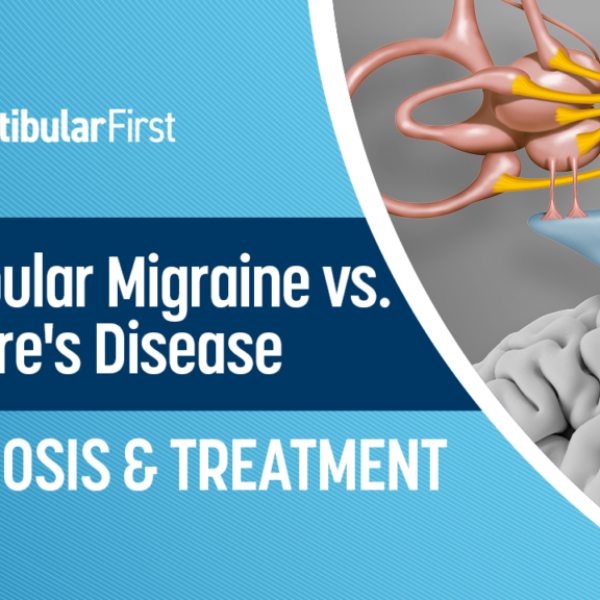
Vestibular Migraine vs Meniere’s Disease
$100.00 USD Add to cartVestibular migraine is a common cause of episodic vertigo, sharing symptoms with Meniere’s Disease, such as severe vertigo, nausea, and imbalance. These conditions may mimic or coexist with other vestibular disorders like BPPV, TIA, and PPPD. Effective care involves patient education, trigger identification, symptom management, and reducing impairments. This course covers the complexities of diagnosing and treating vestibular migraine and Meniere’s Disease, including diagnostic criteria, differential diagnoses, key exams, and management techniques. It also highlights a multidisciplinary treatment approach, referral patterns, and case discussions based on the latest research.